Top 10 Print Flaw Detection Systems to Improve Quality?
In the fast-paced world of print manufacturing, quality control is paramount. A Print Flaw Detection System plays a crucial role in ensuring consistency and excellence. These systems are designed to identify imperfections quickly, reducing waste and enhancing productivity.
Many businesses face challenges in maintaining the high standards expected by their customers. Flaws can occur unnoticed, leading to costly reprints and lost trust. A reliable Print Flaw Detection System can save time and resources by spotting issues early. However, not all systems are created equal. Companies must reflect on their unique needs and challenges, choosing the right technology to meet their specific demands.
Investing in an effective detection system is not just about technology; it requires understanding how each solution aligns with your quality goals. As the industry evolves, staying ahead means continually assessing and improving your approach to flaw detection. Embrace the possibilities, but recognize the journey to perfection is ongoing.
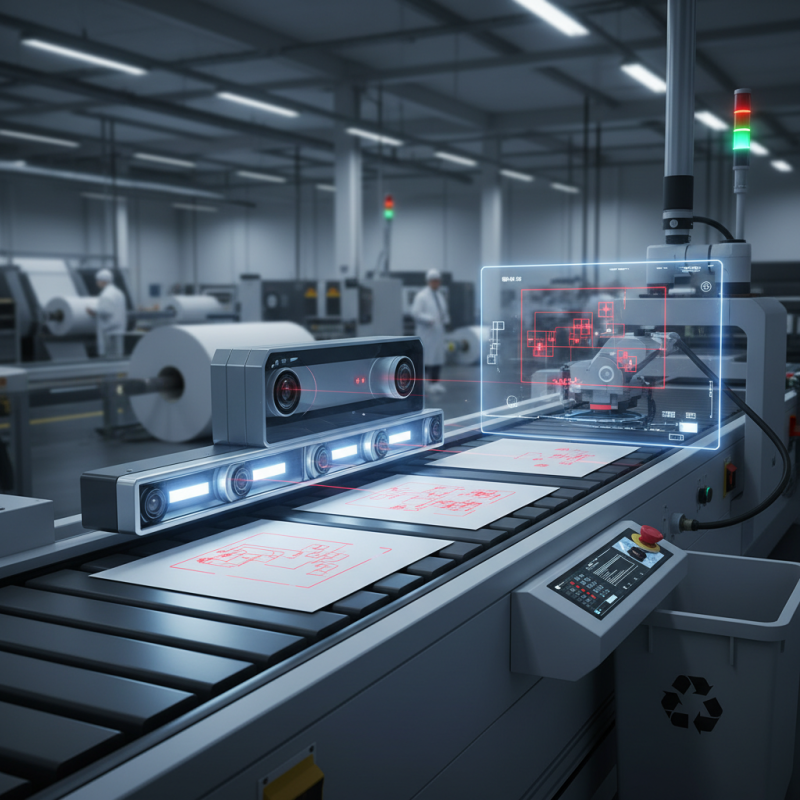
Overview of Print Flaw Detection Systems and Their Importance
Print flaw detection systems are crucial in maintaining high-quality standards in manufacturing. A report by Smithers shows that poor print quality can reduce customer satisfaction by 40%. This statistic highlights why businesses must address flaws promptly. Monitoring systems spot these defects in real-time, ensuring companies deliver consistent quality.
With an estimated 20% of printed products rejected due to defects, the stakes are high. Some flaws are subtle, making detection difficult. For instance, color inconsistencies can go unnoticed, affecting brand integrity. Implementing sophisticated detection technology can reduce these errors. According to a recent industry survey, 67% of companies using advanced detection systems reported fewer defects.
Despite the advancements, many businesses still struggle with implementation. The cost of new technology can be a barrier. Training employees is another challenge. A survey indicates that up to 30% of employees feel inadequately trained on detection systems. This gap presents an opportunity for improvement. Addressing both technology and training can lead to better overall quality control.
Key Features to Look for in Print Flaw Detection Technologies
When selecting print flaw detection systems, several key features can significantly enhance quality control. Look for systems that incorporate real-time monitoring capabilities. This allows for immediate identification and correction of defects during production. Systems that analyze color accuracy and registration are essential. They help maintain consistency, ensuring that every print aligns with standards.
Consider automatic reporting features too. These can save time by generating detailed reports on detected flaws. Automated systems reduce the risk of human error. Additionally, look for user-friendly interfaces. Operators should be able to adjust settings easily and interpret data without extensive training. A complex system can lead to frustration and mistakes.
Tips: Always prioritize systems that support integration with existing workflows. Compatibility can streamline the process and enhance overall efficiency. Regularly evaluate system performance. This reflection can identify areas for improvement. Remember, no system is flawless. Continuous adjustment and learning are vital for maintaining high standards.
Top 10 Print Flaw Detection Systems: A Comparative Analysis
Print flaws can significantly impact product quality. For businesses, identifying these flaws quickly is essential. A comparative analysis of print flaw detection systems reveals key insights. Research indicates that nearly 30% of production defects originate from printing processes. This makes effective detection systems crucial for maintaining quality.
Some systems use AI for real-time analysis. They can achieve high accuracy rates but might still miss subtle issues. Studies suggest that combining human oversight with automated systems improves defect detection rates. The integration of technology enhances overall product reliability.
Tips: Regularly audit your detection systems. This helps identify gaps in performance. Invest in training staff to recognize flaws that machines might overlook. Remember, continuous improvement is vital for quality assurance.
Case Studies: Successful Implementation of Print Flaw Detection Systems
The implementation of print flaw detection systems has become critical in the printing industry. Recent studies indicate that companies adopting these technologies report a 20% increase in overall print quality. One case study highlighted a mid-sized packaging firm that integrated an automated flaw detection system. This approach reduced human error by 35% and minimized waste.
Despite the benefits, challenges remain. Many firms struggle with system integration. Identifying the right technology tailored for their specific needs can be overwhelming. For instance, one company faced difficulties in calibrating their system, leading to false positives. This not only strained resources but also set back production timelines.
Visual inspection still plays a vital role in quality control. Relying solely on automated systems can lead to oversights. This was evident when a major print house launched a new line but overlooked manual checks. The result was significant inconsistencies in color matching. Emphasizing both automated and manual checks often yields the best outcomes in quality control. Balancing these techniques can refine processes while ensuring that print perfection is not an elusive goal.
Top 10 Print Flaw Detection Systems to Improve Quality
| System Name | Detection Accuracy (%) | Implementation Time (Weeks) | Cost ($) | User Satisfaction Rating (1-5) | Notable Features |
| VisionGuard Pro | 98 | 8 | 50000 | 4.7 | Real-time monitoring, AI integration |
| PrintCheck 360 | 95 | 6 | 45000 | 4.5 | Multi-language support, Cloud integration |
| FlawFinder X | 97 | 5 | 60000 | 4.6 | Histogram analysis, User-friendly interface |
| QualitySight 2.0 | 99 | 10 | 75000 | 4.8 | Real-time alerts, Customizable reporting |
| InspectTech | 94 | 7 | 55000 | 4.4 | Image processing, High-speed analysis |
| PrintWatch | 92 | 4 | 40000 | 4.2 | Integration with printing machines, Workflow automation |
| DefectDetect | 96 | 9 | 70000 | 4.5 | Automatic defect classification, Multi-report generation |
| SmartScan | 91 | 3 | 30000 | 4.1 | Mobile access, Easy setup |
| ErrorPoint Pro | 93 | 8 | 52000 | 4.3 | Advanced analytics, In-depth training resources |
| PrintSecure | 90 | 5 | 35000 | 3.9 | Robust support, Comprehensive dashboard |
Future Trends in Print Flaw Detection Technology and Innovations
Print flaw detection technology is evolving rapidly. Innovations are focused on improving accuracy and efficiency. Advanced machine learning algorithms can now analyze print quality in real-time. These systems can identify defects that the human eye might miss. Predictive analytics is also emerging, helping to anticipate potential issues before they arise. This shift is driving manufacturers to adopt smarter solutions.
However, challenges remain. Not every defect is easily detectable. Varied printing conditions can affect detection accuracy. As technology advances, the need for continuous improvement becomes clear. The integration of AI and IoT is opening new avenues for monitoring print quality. Real-time feedback loops can enhance decision-making, but implementation is complex. Organizations must invest in training and infrastructure to fully harness these innovations. Balancing technological advancement with practical application is crucial for success.
Top 10 Print Flaw Detection Systems
This bar chart depicts the effectiveness of various print flaw detection systems in identifying common print defects, measured by detection accuracy percentage. The data illustrates the current trends in print flaw detection technology.



 Distributors
  SDS Download
  Contact