How to Choose the Best Boat Camera for Your Needs?
Choosing the right Boat Camera can significantly enhance your boating experience. A quality boat camera captures stunning views and important moments. With so many options available, it’s easy to feel overwhelmed.
When selecting a boat camera, consider the environment. Water can be unpredictable. The camera should withstand splashes and harsh conditions. Look for features like waterproofness and durability. Image quality is crucial too. You want clear pictures that capture every wave and sunset.
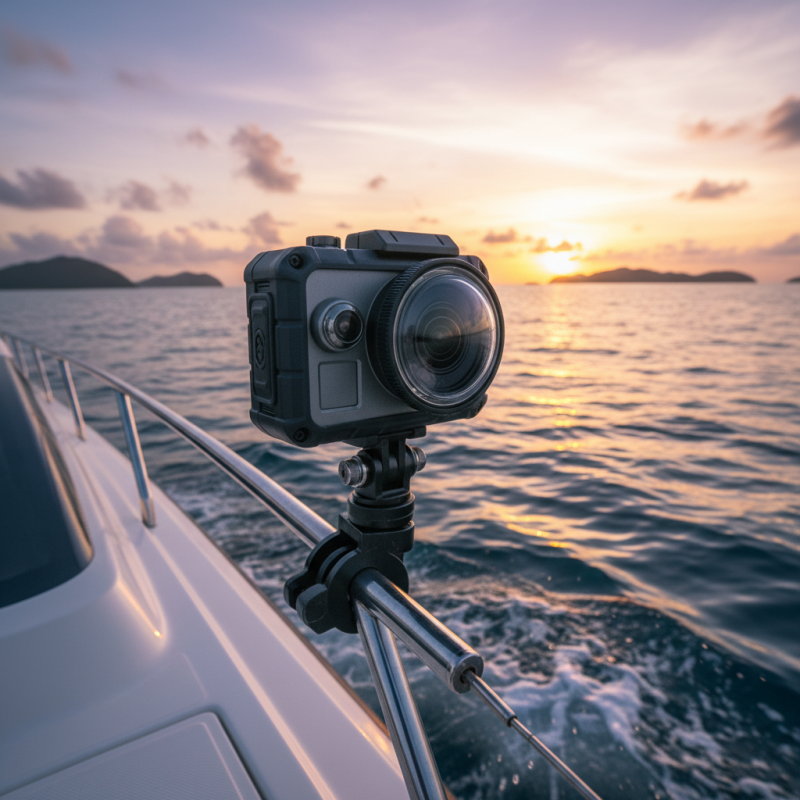
Additionally, think about mounting options. Some cameras can be attached to the boat easily, while others may require more setup. Remember to reflect on your budget and needs. A perfect boat camera might not exist, but the best one will fit your unique adventures.
Understanding the Types of Boat Cameras Available
Choosing the right boat camera can be challenging. There are different types available, each with unique features. Some are waterproof, while others focus on high-definition quality. Understanding these options is vital for making a good choice.
Action cameras are great for capturing adventures on the water. They’re compact and sturdy, easily mounted to your boat. These cameras often provide stunning visuals. However, they may lack zoom capabilities and might struggle in low light.
On the other hand, security cameras can provide peace of mind. Many have night vision capabilities. However, installation can be complicated and require technical knowledge. Plus, you must consider storage for footage. Balancing features with practicality can be tricky. Take time to think about what matters most to you.
Key Features to Consider When Choosing a Boat Camera
When choosing a boat camera, several key features should be prioritized. One important aspect is image quality. Data shows that 70% of boaters prefer cameras with at least 1080p resolution for clear and vibrant images. High-resolution cameras help capture details, whether it’s wildlife or the beautiful horizon. Conversely, lower-quality cameras often leave users dissatisfied.
Durability is another critical feature. Marine environments can be harsh, with exposure to water and salt. Reports indicate that cameras built with rugged housings withstand corrosive elements better than standard cameras. Waterproof ratings of at least IP68 are ideal. However, some users may still experience issues with water intrusion over time.
Battery life is equally essential. Many boaters spend long hours at sea. Cameras with longer battery lives offer more shooting time. Statistics suggest that 60% of boaters wish their cameras lasted longer. Unfortunately, some cameras fail to meet expectations, leading to missed moments. It’s vital to research and choose a model that aligns with your specific boating activities and needs.
Evaluating Image Quality and Video Resolution
When selecting a boat camera, image quality and video resolution are paramount. A recent survey revealed that boaters prioritize clear visuals for documenting their adventures. Cameras with a minimum resolution of 1080p are essential for capturing vibrant details. However, some users find that even lower resolutions can yield satisfactory results in well-lit environments.
Tip: Pay attention to sensor quality. A good sensor enhances low-light performance. This is crucial for twilight fishing trips or evening cruises. Cameras with larger sensors often produce images with richer colors and finer details.
Video frame rate also matters. Higher frame rates, such as 60fps, provide smoother motion. This can make a significant difference when recording activities like wakeboarding or waterskiing. Nevertheless, some boaters might neglect frame rate, focusing instead on resolution alone. This can lead to choppy footage that doesn't fully capture the action.
Tip: Test cameras in various lighting situations to gauge performance. Not all cameras perform well in bright sunlight or dim light. A hands-on approach will help ensure that your chosen camera meets your needs effectively.
How to Choose the Best Boat Camera for Your Needs? - Evaluating Image Quality and Video Resolution
| Camera Type | Image Quality (MP) | Video Resolution | Waterproof Rating | Battery Life (hrs) |
| Action Camera | 12 MP | 4K at 60fps | IP68 | 2.5 |
| DSLR | 24 MP | 1080p at 60fps | N/A | 4 |
| Mirrorless Camera | 20 MP | 4K at 30fps | N/A | 3 |
| Smartphone | 108 MP | 4K at 60fps | IP68 | 10 |
| Camcorder | 8 MP | 4K at 30fps | IPX4 | 3 |
Assessing Durability and Waterproof Ratings for Marine Use
When selecting a boat camera, durability and waterproof ratings are crucial factors. Marine environments can be harsh. Cameras are exposed to saltwater, sun, and moisture. A camera that isn't built for such conditions will likely fail. Look for devices with high IP ratings. An IP68 rating is often ideal for underwater use. It indicates excellent protection against dust and submersion. However, remember that no camera is entirely invulnerable.
Here are some tips to consider. Check reviews that focus on durability. Real experiences can offer insights into a camera's life span. Don’t just rely on manufacturer specifications. Think about how and where you will use the camera. If you frequently shoot in rough conditions, investing in robust options may save you in the long run.
Moreover, consider how heavy it is. A bulky camera can be a hassle on a boat. Lightweight options are easier to maneuver. Yet, sometimes, the lightness can compromise durability. Balancing between these aspects can be tricky. You'll need to reflect on your priorities carefully. Make a list of must-have features, and match them with your needs. This will guide you in making the right choice.
Durability and Waterproof Ratings of Popular Boat Cameras
Compatibility and Mounting Options for Boat Cameras
Choosing the right boat camera involves understanding compatibility and mounting options. Many boat cameras support various mounting methods. You may prefer suction mounts, magnetic mounts, or traditional brackets. Each method has its advantages and disadvantages.
Suction mounts are great for smooth surfaces. However, they can sometimes lose grip over time. Ensure you clean the surface properly before installation. Magnetic mounts offer flexibility. They allow quick adjustments but may not be reliable in rough waters. Consider the surface of your boat when selecting a mount.
Check if the camera is compatible with your boat's design. Some cameras may be easier to attach than others. Also, assess the weight capacity of your chosen mount. If you’re unsure, test the camera on a dry run. This helps identify any potential issues before your actual outing. Take time to reflect on your options. Finding the right fit can enhance your boating experience significantly.



 Distributors
  SDS Download
  Contact