What is a Cabin Filter and Why is it Important for Your Car?
When it comes to car maintenance, many overlook the importance of the Cabin Filter. According to automotive expert John Smith, “The cabin filter is vital for your health inside the car.” A well-functioning cabin filter keeps harmful particles out, ensuring clean air for you and your passengers.
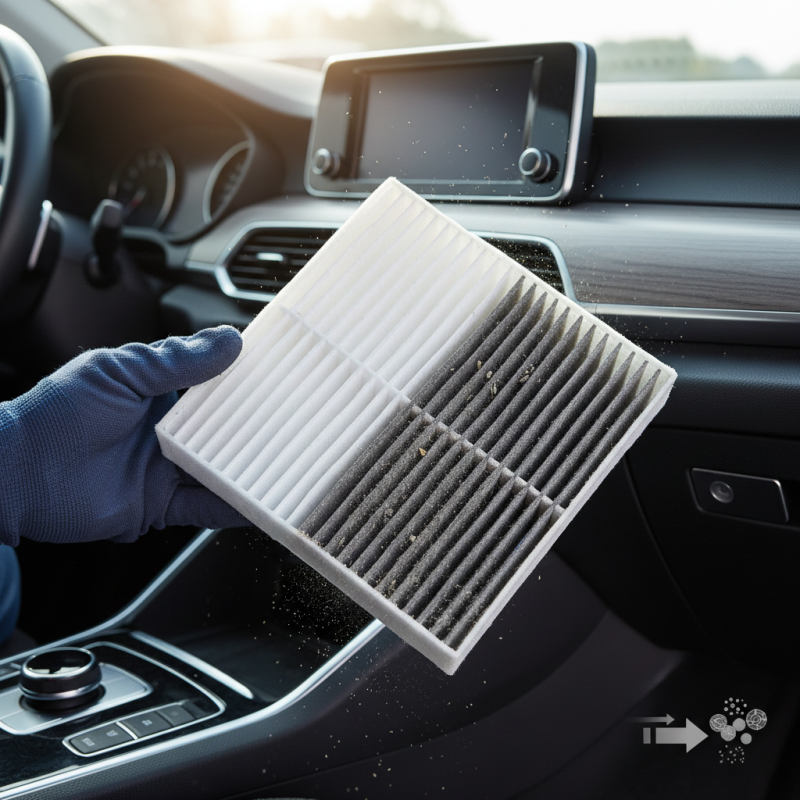
This essential component filters dust, pollen, and pollutants, improving air quality. It's especially crucial for allergy sufferers who might experience discomfort during travel. Neglecting the cabin filter can lead to unpleasant odors and a less comfortable ride.
Yet, many drivers are unaware of the need for regular replacement. A dirty cabin filter can significantly reduce airflow, impacting the overall efficiency of the air conditioning system. Consider how refreshing fresh air feels on a drive. Ignoring this detail could compromise your driving experience. Regular maintenance and awareness of your cabin filter can truly enhance your journey.
What is a Cabin Filter and Its Function in Vehicles
A cabin filter plays a crucial role in your vehicle's air quality. It filters out dust, pollen, and other airborne pollutants. This filter ensures that the air you breathe inside the car remains clean and fresh. According to a report by the American Lung Association, poor indoor air quality can lead to respiratory issues. A functioning cabin filter can help mitigate these risks while driving.
Without regular changes, a cabin filter can become clogged. A study by the Society of Automotive Engineers found that a dirty cabin filter can reduce airflow by up to 50%. This situation can make your car's heating and cooling systems less efficient. Inadequate airflow often leads to discomfort during long drives and may cause the systems to work harder, wasting fuel.
Regular maintenance is essential, yet many drivers overlook the cabin filter. Replacing it every 12,000 to 15,000 miles is recommended. Ignoring this can increase allergens inside the vehicle. The lack of attention can affect your driving experience. It is a simple aspect to address, but often, it remains neglected.
Types of Cabin Filters Commonly Used in Cars
Cabin filters play a critical role in maintaining air quality inside your vehicle. They trap pollutants, dust, and allergens. Over time, they can become clogged, leading to poor air flow. This can result in unpleasant odors and an uncomfortable environment while driving.
There are several types of cabin filters commonly used in cars. The most prevalent is the particulate filter. It captures particles, such as pollen and dust. Activated carbon filters are another option. They absorb odors and harmful gases. These filters help keep your cabin smelling fresh and clean.
Tips: Change the cabin filter regularly for optimal performance. A good rule is every 12,000 to 15,000 miles. If you notice reduced airflow, it might be time. Always consult your owner’s manual for specific recommendations. Remember, a clean cabin filter enhances your driving experience.
Signs That Indicate a Cabin Filter Needs Replacement
A cabin filter is crucial for your car's air quality. It traps dust, pollen, and other pollutants. Over time, these particles accumulate, reducing efficiency. Knowing when to replace it is key for a healthy driving environment.
Signs for replacement can be subtle. If you notice an increase in dust inside your car, that’s a clear indicator. Other symptoms include musty odors or reduced airflow from the vents. A study showed that clogged filters can decrease air quality by 40%. Regular checks are essential, especially during allergy season.
Tips: Replace your cabin filter every 15,000 to 30,000 miles. If you drive in urban areas, consider changing it more often. Pay attention to unusual smells or airflow changes. Ignoring these signs can result in constant respiratory discomfort. Keep your cabin air fresh and clean.
Importance of Cabin Filter Replacement
This bar chart illustrates the correlation between cabin filter age (in months) and the percentage of drivers experiencing common symptoms due to a clogged filter. Regular replacement of the cabin filter is crucial for maintaining air quality inside the car.
The Importance of Regular Cabin Filter Maintenance
Regular cabin filter maintenance is crucial for your vehicle's performance. A study by the Car Care Council found that up to 80% of drivers ignore this essential upkeep. This neglect can lead to poor air quality inside the car. Dust, pollen, and other pollutants accumulate over time. As a result, you may breathe in harmful particles while driving.
A dirty cabin filter can cause the HVAC system to work harder. This increased strain can reduce fuel efficiency by about 10%, according to industry experts. Regular replacement of the cabin filter improves airflow. Studies suggest that changing the filter every 12,000 to 15,000 miles can lead to better climate control. It can also enhance the longevity of your entire HVAC system.
However, many drivers overlook this maintenance task until problems arise. Cabin air quality diminishes gradually, making it easy to ignore. Often, users only notice issues like strange odors or reduced airflow. Reflecting on these factors reminds us of the importance of proactive care. Prioritizing cabin filter maintenance can help ensure a safer and more enjoyable driving experience.
How to Replace a Cabin Filter: A Step-by-Step Guide
Replacing a cabin filter may seem daunting, but it’s quite simple. Begin by gathering your tools. You’ll need a screwdriver and a new cabin filter. Locate your vehicle’s glove box. Open it and carefully remove any contents. Look for the stops on either side of the glove box. You might need to push them in to gain access to the filter compartment.
Once inside, remove the old filter. Dust and debris may fall out. Be careful, as this could be a mess. Take a moment to compare the new filter with the old one. Ensure a proper fit. Insert the new filter into the compartment. Make sure it faces the right direction; many filters have an airflow arrow.
After replacing the filter, reassemble your glove box. Test it to ensure it closes properly. You might notice a difference in air quality right away. Remember, it’s good practice to change the cabin filter regularly, perhaps every 12,000 to 15,000 miles. You may overlook it, but it plays a key role in passenger comfort.



 Distributors
  SDS Download
  Contact